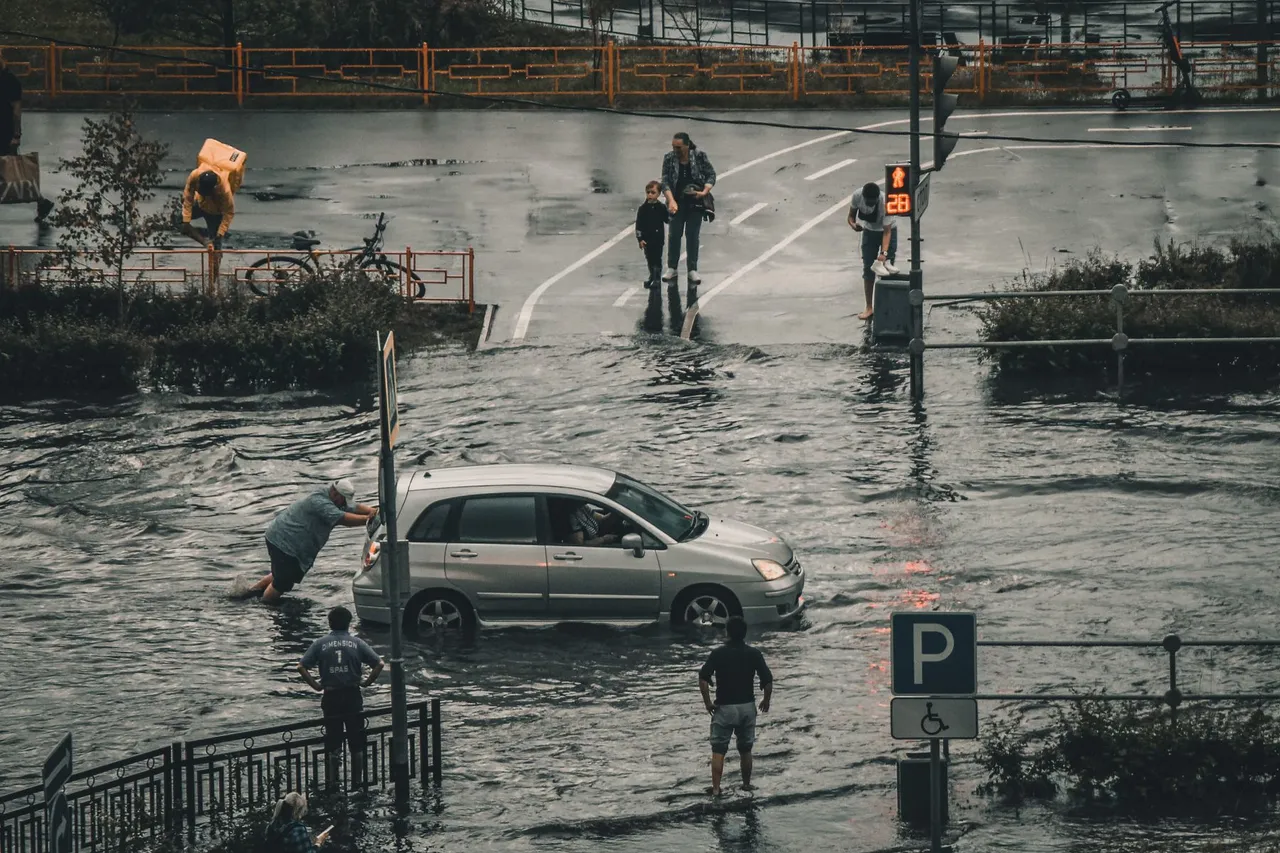
How do you sell a flood-damaged car in Indiana?
To sell a flood-damaged car in Indiana, tell the buyer about the water damage, check whether the car falls under Indiana’s flood damaged vehicle rules, and sell it as-is. In short:
- Note how high the water reached and when.
- Check the title rules if the car is recent.
- Disclose the damage in writing.
- Sell to a buyer who prices the damage in.
The rest of this guide covers each of those, plus the signs of flood damage if you’re not sure the car took on water at all. It’s written by Cash for Junk Cars Hammond Indiana, which buys flood-damaged cars in the towns around Hammond.
Is it a flood car? The signs to check
Sometimes you know. The street filled, the water came up past the doors, and that was that. Other times the car sat in a low spot overnight and you’re not sure how bad it got. Consumer Reports, in a guide updated on 6 November 2025, lists these telltale signs:
- Carpets that smell musty or have caked-on mud. Brand-new carpet in an older car is another red flag.
- Seat mounting screws that look like they were removed, which suggests the carpet was pulled to dry or replace it.
- A waterline on a headlight or taillight lens or reflector.
- Mud and debris in the gaps of the engine compartment, and a waterline around it.
- Grime on the bottom edges of brackets and panels, where dirt wouldn’t normally settle.
- Rust on bare metal screws under the dashboard.
- Rubber drain plugs that look like they were removed recently.
- Engine oil with a milky, milkshake-like look, from water mixed in.
- An air filter whose cardboard frame looks textured and soggy.
Two or three of these together tell you the car was in deep water. One on its own might have another explanation.
The Indiana Code on flood damage
Indiana Code defines the term and ties it to the title. We read both sections as published on FindLaw, current as of 1 January 2026.
The definition (IC 9-22-3-2.5). A “flood damaged vehicle” is a passenger motor vehicle that either “has been acquired by an insurance company as part of a damage settlement due to water damage,” or “has been submerged in water to the point that rising water has reached over the door sill, has entered the passenger or trunk compartment, and has exposed any electrical, computerized, or mechanical component to water.” The section doesn’t apply where qualified inspections find no water-damaged components, or find that the damaged parts were properly repaired or replaced.
The title rule (IC 9-22-3-3). A certificate of salvage title is required for a vehicle manufactured within the last seven model years that meets one of the listed conditions, and “the vehicle is a flood damaged vehicle” is one of them. Knowingly or intentionally failing to apply for a salvage title as required is a Class A infraction.
As we read it, if your car is older than seven model years, this salvage rule doesn’t reach it. If it’s newer and it meets the definition, the title question matters, and it’s worth checking with the Indiana BMV before you sell. We’re a car buyer, not a law firm, so treat this as a starting point.
Why repairs rarely pay
Water gets everywhere a car hides its wiring. Connectors, modules under the seats, the wiring inside the doors. Some of it fails right away. Some of it corrodes quietly and fails later, and that’s the part that makes a flooded car so hard to trust after a repair. Then there’s the interior: carpet and padding soak up water and hold the smell.
A shop can replace what’s visibly broken. It can’t promise what happens to the rest in six months. For most older cars, that uncertainty is the reason to sell as-is rather than spend on repairs first. If the electrics are already acting up, our page on cars with electrical problems explains how we buy those.
Selling it honestly
Be upfront. Tell any buyer the car was in water, how high the water got, and roughly when. Put it in writing on the bill of sale if you’re selling privately. A buyer who finds out later has every reason to come back to you.
Selling to a junk car buyer takes most of the risk off the table, because the damage is the starting point of the offer, not a surprise. When you call us, tell us:
- how high the water got (below the sill, over it, into the seats)
- whether an insurer was involved or took ownership
- what the car does now: starts or not, warning lights, electrics
- whether it’s a hybrid or electric car (flooded ones are bought too)
We make an offer on that basis, tow it free and pay you at pickup.
Floods close to home
In Highland, the lower areas near the Little Calumet River have a history of flooding, which is why the Highland page has a section on what to tell us after heavy rain. The same advice holds anywhere a car sat in standing water: in a flooded underpass, a low parking lot, or a street that drains slowly.
Title papers for a flooded car
Bring the title if you have it, salvage or not. No title? We can still help. Indiana wants either the title (a BMV duplicate is $15) or a BMV certificate of authority ($4), and a car under 15 model years old legally needs one of the two. Say what papers you have and we’ll confirm the route on the call. If an insurance company already took ownership of the car in a settlement, it’s no longer yours to sell; tell us the situation and we’ll say so plainly.
More short answers are on our questions page.